starting 2026 – the future is now
It is exciting to be in 2026. Few people are aware of how profound the world is moving in leaps and bounds. Imagine, From cavemen times to around 1840, the average life-span of humans went from 30 to 35 years, only 5 years more. And that was with cleaner air, water, the environment, mostly agricultural products not enhanced as now. Enter the world of science and it is clear evidence that science matters. That is why we live so much longer now.
Leaps and bounds. In the late 1700’s we had the Industrial Revolution; the steam engine which allowed us to build factories anywhere and multiply the production of everything.
Automobiles and space travel in the 20th Century, and the beginning of the computer age.
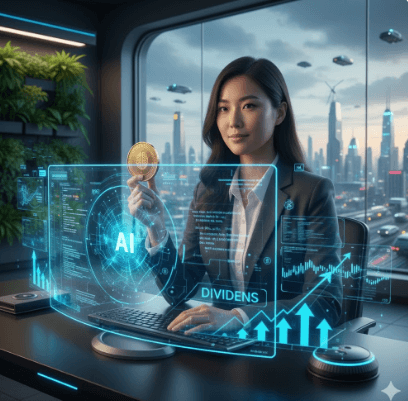
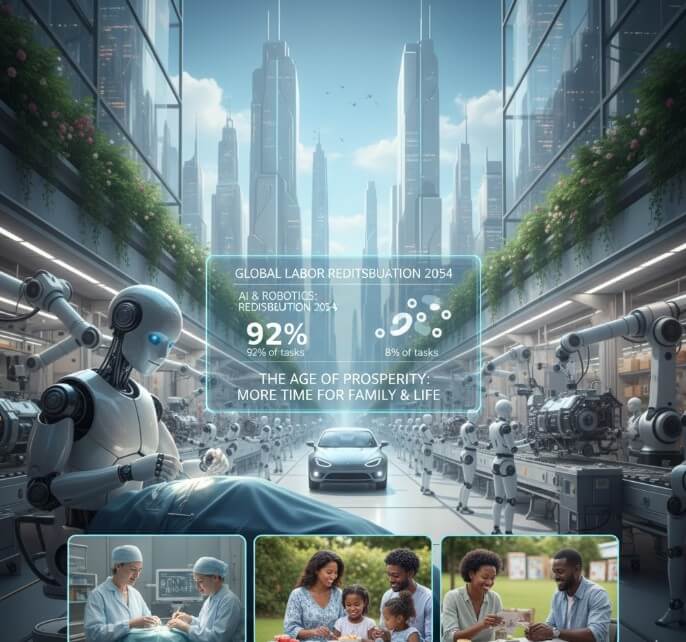
Now in the 21st Century we have smart phones, plans to go to mars, and Artificial Intelligence (AI). Many jobs will be taken over by AI. For example most entry level positions across the entire spectrum of industry will be replaced. Citizens in many countries will be working less, because by using AI and robot technology, there will be huge production increases in food, services, and manufacturing. Think, for instance, do AI and robots need to sleep? Therefore, perhaps humans within 10 years will not need to work because of the increase in production. Some governments will still be able to pay people in their societies even if they only work few hours or none. Of course then comes the question of value. If you’re not working but still getting paid, sure it sounds great. But what does it mean for self-worth, self esteem, if you don’t have some significant worth or something to offer.
My own answer is really simple. For the past few months I’ve been learning about Artificial Intelligence, what it means, what are its components, where is it going, what are the issues and challenges. For example, one of the significant problems in AI, is that generally speaking it needs a lot of computing power to do smart things, to calculate, predict and create new things. Where does this power to run faster and powerful systems come from? Right now the consensus for example is that to power AI computing, the world, or more likely the great powers, need to increase production of electricity by almost double in just 5 years. In other words, the limit to the growth of AI computing capability (bigger “data centers”), is electricity.
And so with learning about AI, I’ve learned the basics of python programming, which is very compatible for AI programming. Along with this, I’m still a bit struggling with TensorFlow, a product developed by Google, which is used for building and deploying Machine Learning (ML) and Deep Learning Models. which is the basis of creating Artificial Intelligence.
I’m not sure where this is going with me, but it is fun looking and learning about the building blocks of where the world is headed. Wow!